
WITH VOLKMAR AHRENS
When a Winning Product Creates Losers
Volkmar Ahrens had built what large finance teams spent twenty years asking for. The hard part was finding someone inside who wanted it.
His AI agents post supplier invoices in SAP without human touch. The accountants and managers who must approve a rollout see their own work in what gets automated, and sales cycles stretch past a year. The panel took on one question: how do you turn a winning technology into something the people inside want?
Listen onApple Podcasts Spotify
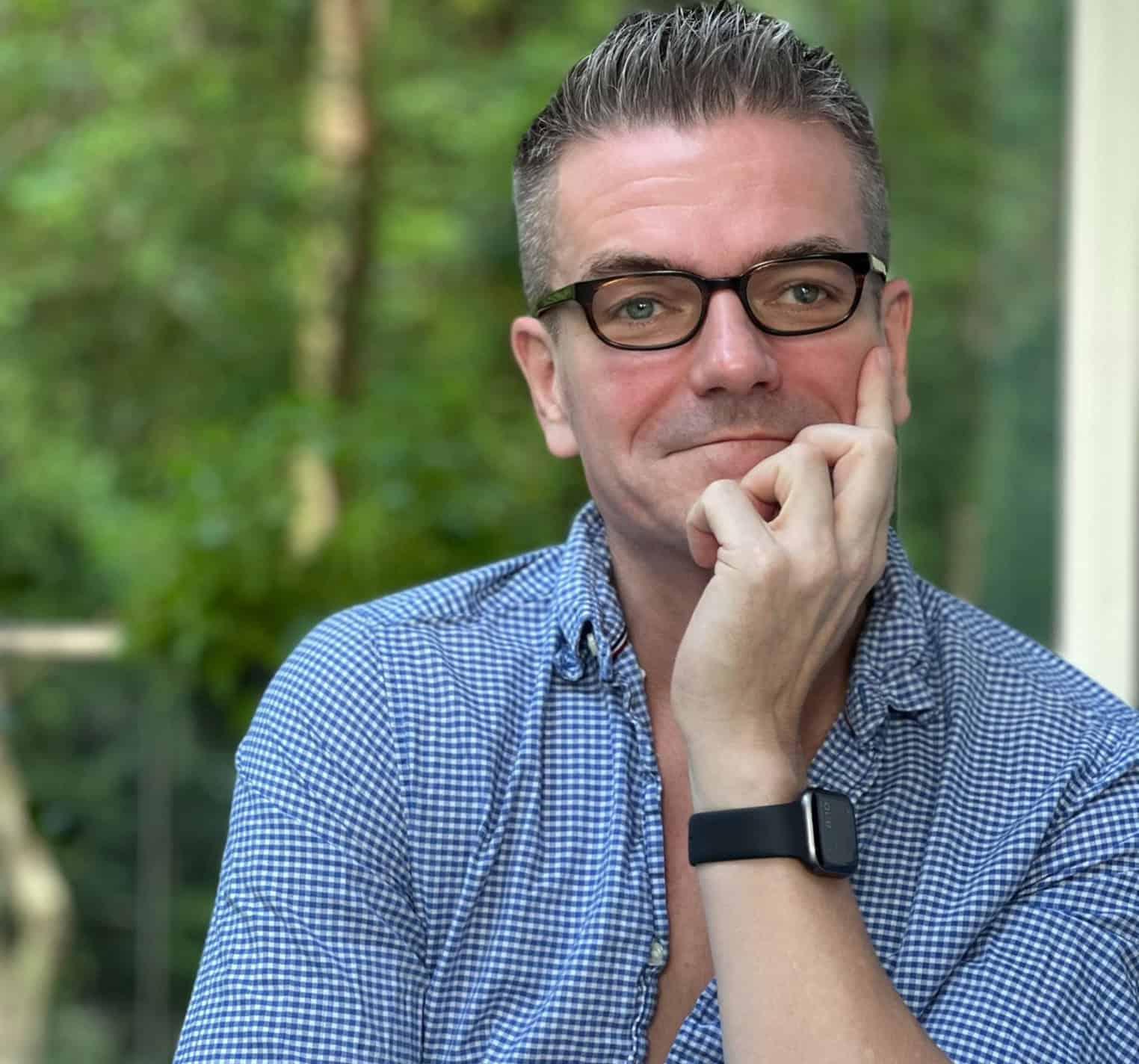 SEP12
Volkmar
Ahrens
CO-FOUNDER, NXT4AP
Technology × Adoption
WHO WINS WHEN THE WORK DISAPPEARS?A product that works. A rollout that stalls.
Volkmar is the co-founder of nxt4ap, a Singapore company developing autonomous AI agents for accounts payable within SAP. He brings over 20 years of experience in business process automation, with work spanning global enterprises including Holcim, BMW and Caterpillar.
He told the panel the technology was not the problem. He said his agents can take a supplier invoice from receipt to posting in SAP in about 30 seconds, with dedicated agents increasingly handling the exceptions. The problem was everyone around the decision. Shared service teams could see their own work disappearing, middle managers had little reason to push, and senior leaders liked the numbers but were wary of AI. With sales cycles of 12 to 18 months, he asked how to give the people who must drive the change a reason to support it, and how to turn that support into adoption fast enough for a small company to afford.
Who wins when the work disappears
Christian framed the problem bluntly: a winning technology that creates losers. The teams whose tasks are automated feel they stand to lose, and the question was how to turn them into winners. He argued this was not only nxt4ap's problem but one facing every organization adopting AI.
Tasks go away. Jobs change.
Stephen drew a line between tasks and jobs. Checking invoices by eye is a task software should do, and the people doing it can move to work that needs human judgment. He compared a fully automated organization to a self-driving car, and suggested presenting nxt4ap as a first step towards it that companies can take today.
Acceptance is the force multiplier
AJ focused on the people inside. Change moves at the speed the culture allows: when people feel safe, understand where the organization is going and have a hand in how it gets there, they contribute even when their role is changing. His best strategies, he said, have always come from involving the people closest to the work.
A proof of concept, not a cost cut
The ideas converged. Every company has accounts payable, and it sits outside their core business, so it is a safe place to prove AI adoption end to end. Framed that way, the win moves from shareholders back to the leadership team, and the freed people and budget become the start of a wider AI transformation. Christian suggested the biggest winner inside could be the head of HR.
Where the session landed
Volkmar said the conversation changed how he would pitch. He plans to open his upcoming training for reseller partners across Asia-Pacific, Europe and North America with a new line: accounts payable in SAP is solved, so put it aside and ask what the organization can learn from it. It is a narrative to test, not a result yet. He agreed to report back, and the team plans a follow-up conversation.
Read the full transcript
Automatically transcribed from the live session and lightly tidied: trimmed to the show itself, with attendees numbered rather than named. The words are unedited, so the odd sentence is clipped.
AJ Maxwell: let's jump in. So, today's guest can prove his things work. He says that's not the problem. And every large company has a team that checks and pays supplier invoices inside a system called SAP. Volkmar founded a company in Singapore that builds AI agents
Stephen Nickerson: Are you
AJ Maxwell: who do that work on their own and they work. So Volkmar, where are you stuck? Fantastic.
Volkmar Ahrens: I'm stuck in Singapore. Living in Singapore since 15 years. You hear my accent. I'm German like Christian. And yeah, after a couple of years flying back and forth, yeah, I decided to settle in Singapore. And so maybe your question goes to where is my problem? This is where I'm stuck. Okay, I misunderstood, but I'm happy to go in there. So as you said we founded a company based on 20 years of our experience in this niche area of possessing supplier invoices for companies with a focus on multinational companies. So companies like Caterpillar, hold BMW who have financial share service center process millions of documents. So then when we saw the opportunity with new technology and capturing so forth we could solve all the problems that we couldn't solve for the past 20 years and now we can process supplier invoices without any human touch end to end in 30 seconds and I mean this is not sales talk really no touch 30 seconds invoice are being processed. Of course, there are exceptions but those exceptions can now increasingly being taken care of dedicated skilled AI agents. and I believe there is no ceiling. So I believe we can do everything that does not require hands and feet and even this will be solved soon but currently at this stage we do have a couple of installations namely one for the world's largest cement company this is wholesome where we are deploying EOC to be rolled out in 64 markets eventually so there's a good story the challenge that we have is that we have this technology that does what everybody was looking for, was asking for, giving these companies exactly this, but we are lacking the holders in the company who support us. So the people in the service center, the accountants were actually aware increasingly that we are replacing them. So they are not the drivers in this process. The middle management is not really driving because eventually it's about their jobs as well and their teams and they define themselves about via the teams. The top management is mainly looking at the metrics. This is their overall costs and of course their STP straight through processing ratio and so forth. But they feel like insecure whether going this new path with AI will bring them there and they wouldn't want to do it against the existing team. So really confronted with a challenge and who to approach and how to approach the people who would eventually take this into these organizations and this in a context that the sales cycle is anyway taking years rather than months. So we are talking easily about 12 months or 18 months sales cycle where you go through the organization and it has not become easier this current discussion about AI security, people that we talk to are not being IT experts means they get this feeling we have to look a second time before we deploy AI technology regardless what FOGMA tells us because it makes them feel insecure what could all be involved. So with this let me just bring my question to a point. So, how would I give the people who must drive this change a reason to support it? How do I turn that support into adoption within a shorter time frame so that our business can afford this whole sales approach because this is really eventually endangering our company if everybody loves the technology everything is fine but then in the end we are not coming to do the projects that earn us the money that we need. That's it. I mean these agents I have not asked…
Stephen Nickerson: And just a quick question. What do your AI agents tell you when you ask them the answer to that question, what do they tell you?
Volkmar Ahrens: but generally actually in preparation for this evening there were some thoughts which were actually new to me in this explicit way which is when we accept that the people I have been talking to for the last two years are actually not benefiting from what we are giving them the processes but So then who benefits at the end of the day? And these are probably the shareholders who would see the shareholder value increase because we effectively eliminate costs and generate on the other side revenues on top through the possibility to get discounts for early payments if the processing is done smoothly and if we offer this. Yeah.
Stephen Nickerson: And again,…
Volkmar Ahrens: So yeah,…
Stephen Nickerson: when you ask the AI to organize the social engineering to improve the adoption of your product, what does your AI tell you you should do for that?
Volkmar Ahrens: that question I didn't ask. I needed you, Stephen. Sure. Okay.
Stephen Nickerson: Got this problem is going to be singular. Christian Yeah.
Christian Nicolai: No, we had a interesting talk BMA and… And AJ I pass it on to you but this morning when we were finally wrapping the problem up. it's how do we turn losers because everybody's losing into winners and…
Stephen Nickerson: Yeah. Yeah.
Christian Nicolai: and I mean s*** that's difficult I mean … but no I know that AJ definitely has some thoughts on that topic
Stephen Nickerson: It's a crazy situation. Yeah.
AJ Maxwell: And I think the power, right, when we really are vulnerable and we bring people in those closest to the work are where the bright spots are always found. And we can take ordinary people and create or extraordinary results if people believe that they're seen and heard and they're involved with matters and I think it all starts there and so we can transform and it starts with our roots create our fruits. where our beliefs in ourselves and what we're doing, that's the foundational piece. And from there, that leads to our thoughts and… our words and our actions and our results. So,
Volkmar Ahrens: Can I drill a bit? To so such projects are driven by a project team and this project there will be representative of the CFO office somehow and then there are the people working in the process the shared service centers and I laughed this morning laughed this morning when I saw Christian text saying how do we turn losers into winners because this is really the feeling the feedback I get not the winner part the loser part. So when I start explaining our solution and my colleagues early on warned me say do not talk so much about the potential that we automate everything but at some point I have to place it there right at some point I have to say okay what you did all day long in the past you don't need to do it anymore you don't eyeball check your OCR results anymore there are people who do nothing else whole teams all day long we say done over and if these people are in these meetings to get the drive from their side and say okay let's move forward that's really a challenge and this is not about identity. I think this is what that they feel empowered because there's very little I can give to them as empowerment. I'm actually saying thank you for your work and… maybe help us in the transition phase and I'm of course not doing it but I'm telling you this is what materializes in the end of such presentations. Yeah.
Stephen Nickerson: Yeah, I have a… what might be a radically simple idea for you and we'll have to see how it fleshes out, but it strikes me con considering you have the capability that you have and you built the product that you might be thinking too small because you're coming at it with a singular approach, you're only bringing one tiny aspect to it. and I'm thinking about myself, my own product. I have a product called Buddies. And buddies are independent AI agents that can reverse engineer any SAS product. They build it in a day and then they can deploy it themselves, right? So, think about that for a second. They can hand it management software developer infrastructure roles, security. There's over 120 different roles that they can fulfill.
Volkmar Ahrens: But accounting. Yeah.
Stephen Nickerson: Right now, you're doing accounting and payroll and accountable. you're doing SAP, which it's important to do it right, but it's not an overly difficult task for AI to do. And then you're trying to get through to the executives who know you're replacing them, who have a team of people that they know that you're replacing. But perhaps you could go bigger because your team that built that, I guarantee they can build what I've got or something similar. Maybe not what I did, but perhaps you should be talking to them about what they actually need to do to survive. Because if you just improve one aspect of a business in an accelerating singularity that we're in right now, that's actually not going to help them. they're going to go out of business anyway when somebody like me comes along and just automates their entire business. So perhaps you should help them do that. There might be a pivot for you because you've got something hard done that's proof,… but if you work on accelerating all of the workflows inside a business, so you're like, "Hey, we're going to start with this, but this is just the start." I think you might find you have a completely different conversation. Mhm.
Volkmar Ahrens: but even longer. So I'm Stephen I'm completely on your side. I'm understanding that we are in the singularity. I'm understanding that I'm looking really at it was always a niche and now it appears to be even smaller looking at the capabilities. However, and this is my luck, these corporations will not go away from their SAP system anytime soon.
Stephen Nickerson: Mhm. Yeah.
Volkmar Ahrens: We will not be able and I'm not arguing. I'm make it a statement of fact. we already have the challenge of their compliance team to agree to we post the documents without looking at them. That's the challenge that we are discussing right now much much more there will never be not in the foreseeable future singularity I don't know what foreseeable future might be but let's hope for the next three to five years so that we can make our business these organizations will not go away from their existing standards it's just not feasible so I understand your point and when I have the room to
Stephen Nickerson: Mhm. Mhm.
Volkmar Ahrens: talk about the potential. So I just touched a little bit. I believe there is no ceiling anymore. Today just as you said, we can do everything with AI and every day the capabilities grow and this is what our company is built on. I don't have a team. this company consists of four people and these four people make something that in Canada a competitor does with 200 people. But we use AI and I believe we use it not enough and there's a lot more possibility but to overcome the current problem is how to bring this product that creates value today creates value immediately works in the existing SAP environments get this deployed and for our target audience this is like changing their world but if they would only embrace we wouldn't be talking here. the experiences that on all levels they put stones on onto the way that makes it difficult and then in our environment Stephen where technology changes every seven days and then you have ongoing discussions for nine months for 12 months about one technical aspects right… where you think exactly no no but I need these customers Steam,…
Stephen Nickerson: Yeah. Right.
Volkmar Ahrens: these are my customers. So, I need them to appreciate what I'm doing and then pay my bills. Yeah. Yeah,…
Stephen Nickerson: Yeah. I think that if I'm hearing you correctly, the cool problem or the big problem to solve is how to accelerate How do we accelerate the procurement process inside these organizations for an amazing product that can change their world and save them money today and increase productivity today for a single aspect of their business if I'm hearing you correctly right…
Volkmar Ahrens: of course we can take that angle. This leads to the same. So whatever accelerates the procurement process. Absolutely. Yeah.
Stephen Nickerson: because they're spending too much time to make a decision to help them themselves today which is the problem as a whole. That was basically what I was saying with the organizations. today take too long to make decisions and organizations that take too long to make decisions are going to go away. They're going to be replaced by an AI first organization and you still need the customers today and we still need to help them. So, how do you help them get out of their own way and start to take advantage of this AI revolution that's in play today? And I don't think nobody knows how much time we have to do this, but anywhere between three months and five years, a lot of companies the type of that have the procurement process that you're talking about, and you might want to just quote me on this one, and they could be out of business a lot sooner than they think. Doesn't matter how big they are. If you're moving slow today, somebody with a large bank account and the desire to automate your world, there's There's no mo big enough to protect them from The only way to protect themselves from AI is to start automating everything and you could be the beginning of that for them. but if procurement's slow, then I would build a procurement automation solution. I would just build that as a secondary product and… then I would pitch that because you're going to get that approved faster than you can get the procurement for the product you have. I'll build that this week. Never mind. I'll sell it to Sorry. Go ahead, Christian.
Christian Nicolai: So going back to the problem form has and… form my team is that they are creating losers with a winning solution with a winning technology which is right.
Stephen Nickerson: Yeah. Yep.
Christian Nicolai: So who of the losers will is winning and how do we turn them into a winner? and I felt that morning that it's not only a fora issue.
Stephen Nickerson: Yes. Yes. yes.
Christian Nicolai: It's an issue for everybody out there, for both sides for that's…
Stephen Nickerson: Yeah. Yeah.
Christian Nicolai: I really love that issue that problem because who can solve that who can tell me how do I do that and… going with the flow which you suggest Stephen going faster than the flow accelerating the flow is one aspect of the
Stephen Nickerson: Yeah. Yeah.
Christian Nicolai: Yeah.
Stephen Nickerson: One aspect. what's really cool about your approach and how you're framing it, I love your perspective, Christian, because it's so true. because the person who's losing is going to be the cog in the wheel and that's ultimately going to be the bottleneck in the process, right? And so it's a question of how many bottlenecks are there in this particular instance and that it's also not singular to the product that's in front of us today. it's endemic inside organizations as a whole and…
Christian Nicolai: Yeah. Yes.
Stephen Nickerson: it's the very thing that's killing them.
Christian Nicolai: Yeah. Hi.
Stephen Nickerson: So who's going to bring to their attention? It's like, "Hey, you guys need a vaccine against this virus that's inside your organization that's about to destroy you. Are you aware of that? Because you've got people that need to be picked up. the only way to do that is to actually remove the losers and create more winners inside the organizations. And you're probably going to need a lot more automated products to do that. A lot more AI accelerating what people can do inside their roles, right? because so there's so many tasks that regular humans every single day we just waste time on they have to get done and someone has to do it so I have to do it right but AI could do it better AI could do it now and then there's parts of every role in every organization there's work that we should be doing and then people aren't doing it because they can't get to it they don't get around to it and then there's this idea there's this fear that if AI replaces what I'm currently doing, then I'm not going to have a job. I won't have anything to do. But The stats say that as soon as the AI replaces the busy work that you're doing that you never should have been doing in the first place, that always could have been software doing it for you automatically, even before in this particular case, they shouldn't be doing They should be doing things that require the human touch and their creativity. And the stats say that that's exactly what happens when the old way gets automated, a new way emerges on top of it. And that's how businesses are moving forward. So who encourages them to do that, right? Because I think there's fear.
Christian Nicolai: that would turn losers into winners.
Stephen Nickerson: Fear is they won't actually lose. They think they're going to lose. Yes. Exactly.
Christian Nicolai: Yeah, that is the same something similar happened when in all kinds of digitalization and… automation processes we've experienced over the last 200 years, right?
Stephen Nickerson: Mhm. Yeah. Every time. Yes. Yeah,…
AJ Maxwell: Right.
Volkmar Ahrens: Six awareness.
Christian Nicolai: and… and losers don't have the self-confidence that they are not losers and there is no but is it really true that's the question is it really true
Stephen Nickerson: they have the perception that they will lose. They have that as ception. But is that perception reality? That's their perspective. But is that actually what's going to happen? And The stats say that's not what's going to happen. The stats say that the people rise above the work that they're currently doing and they find new ways to contribute that provide even more value to organizations. that's what's happening with every process that gets automated. Some work just has to go away because it shouldn't have been done by humans in the first place. But the humans that are valuable inside organizations, they just move up and they start doing higher level work that provides more value. That's what the numbers say. So, who's passing all this fear around? that's the real problem. Whoever's giving them false data and making them think that they're going to lose their jobs, they're going to start doing their job possibly for the first time since they were hired.
Volkmar Ahrens: I sometimes have a feeling that I now do the job that I created for myself as I wanted it to do…
Christian Nicolai: Okay.
Stephen Nickerson: Yes. Mhm.
Volkmar Ahrens: because I have AI as my extension. But I believe this is an exceptional position right now. And I'm really positive optimistic guy. But I perceive that this group is a very privileged situation that we can create our work environment and just experience this empowerment that comes with the tools that we now have at our fingertips. the abilities we have that we can build software from one day to the next that solves problems. at least of the people that I work professionally with are so far away from this.
Stephen Nickerson: Mhm.
Volkmar Ahrens: For them that's very alien and…
Volkmar Ahrens: what is tangible for them what's in front of them is something that they might fear for that they lose control and it's not always this so actually our starting point was not that there is a push back it's just what I'm asking my question is how can I turn this around so that there is an act that somebody acknowledges yes this is solving our problems. Yes this reduces our cost and yes it creates money for us. So all everything they ever ask for they have it now. please take it and…
Stephen Nickerson: Thank Mhm. Yeah.
Volkmar Ahrens: put these concerns which is as we all believe is anyway coming. So if he stays an accountant will not earning money soon very soon I don't want to make a timeline but these whole industries the shared service centers where you have for good reasons hundreds of people employed in lower inome countries countries because you in the end want their thing fingers and you want them to work steadily eight hours a day these jobs will be gone. Yeah. So we are trying to navigate a way that we work with them together and gets positive support so that we can sell our solution successfully.
Stephen Nickerson: And maybe just it's a play on words, but I just want to make sure we're speaking as accurately as we can. not Those tasks are going away and the jobs are getting elevated above that. to is the same thing for lawyers and…
Christian Nicolai: Oops.
Stephen Nickerson: the same things for accountants. There are tasks that they are no longer required for, but their jobs don't go away. And that misconception is the cause of the problem. People think their jobs are going away. That's not true.
Volkmar Ahrens: Okay.
Stephen Nickerson: The tasks within their jobs are going away. Certain types of tasks should not be done by legal tasks, bookkeeping tasks, lots of tasks. Humans don't need to do that anymore. The jobs though, the jobs don't go away.
Christian Nicolai: No heat.
Stephen Nickerson: Some do. not everyone's going to get to keep their job of course, but the vast majority are elevated into a new level of responsibility that doesn't involve those boring tasks,… which is actually a really good thing. That's what the stats say.
AJ Maxwell: Yeah. … and it's incumbent on the leadership team, right, to they set the tone and they create what has been an experience in that organization, and the more vulnerable they can be and open they can be around where the vision is going and bringing their organization into that vision. the power of that, right? That says, hey, this is, where we're going and how do we get there? That's the secret sauce and organizational momentum. It's how can we involve as many people in the process in a way that they feel empowered even if they know what they're I've been in organizations where we're shutting down one location and we're transferring the work to another and the more candid you can be and trust in the organization and the people it's amazing how people will stand up and contribute even if they know their job is going away if you do it with trust and respect and dignity. So to me that's the wide lens. So even if the work is completely going way doing it openly, honestly. And it's amazing the bright spots that come out, When we can step into the unknown with clarity and confidence as leaders and organizations and it's amazing to see these bright spots of amazing humans, stand up and contribute. And I think as you look at going into organizations the more the leadership team can create a shared vision if it's the CEO where he knows or she knows where they want to go but it's all about that how and the more that people can put their fingerprints and their ownership in that process that's where you see ordinary people do extra extraordinary things when they feel validated. seen and contribute. I mean all my best strategies have always been born in GMBBO where the work gets done in just asking the question if it's a graveyard shift or whoever it is wherever it is the closer you get to the work and the more you involve them in the process those bright spots are amazing all my best strategies have been born by involving those closest to the work. He
Stephen Nickerson: Yeah.
Guest 1: I don't know if I may say something. Hello everyone. It's okay. I have a question about education. We consider that the southern future is near in the possibilities are huge and I would like to know what do you mean about the sort of education we should have and the curriculum what should be involved integrated for our children at school actually what do we need for the next 10 20 years… because of course we are speaking about skills or I don't know whatever it is But what do you mean about this?
Stephen Nickerson: Yeah. No.
Volkmar Ahrens: I guess this question goes to Stephen most of all. Would this be the right because Stephen has this very positive and inclusive approach saying in the end what didn't you say the start say everybody will benefit and I don't want to be negative because I'm in your position Stephen 90% of my time but right now for this point if you are confronted with the cap drivers in San Francisco and you tell them. the job stays, But yeah, I don't know where you will be, but can you support us in this? And this is an extreme example, but it's so obvious, right? We don't need them anymore.
Stephen Nickerson: So let's think about this for a second.
Volkmar Ahrens: We don't need accountants anymore. 100%. We don't not at all. You get one, two elevated.
Stephen Nickerson: So your example is a fantastic example. So what your cab drivers will never be needed again. we are not talking about them. Self-driving cars are going to just take that.
Christian Nicolai: Thank you.
Stephen Nickerson: What is a A self-driving car is a fully automated AI first organization. Think about your customers with that for a second. Right? There's It's actually a relatively easy AI problem. It's a bunch of cameras. It's AI running all the time. It's looking in all directions simultaneously and it drives your car safely. It's got a brake, it's got a gas, and it's got eyes, right? And reaction time. think about The different characteristics of an organization. Intel, the information coming in, that's their eyes, Decisions, that's the reaction speed. deploying capital, that's your gas edal. Pulling capital back, laying people off, that's your brakes, right? Every organization can be fully automated with AI today. So anyone who's taking a long time to say yes to you essentially their entire organization is basically the cab company in this story, And so I think possibly the best thing you could do is use that as an analogy of… where their industry is going. And the question is what is the self-driving car version of their organization? How do they get that? in your product is one first step and it's done. They can have it today. So I mean that's…
Christian Nicolai: Yeah. Yeah.
Stephen Nickerson: that's how I would sell your product to them.
Christian Nicolai: It's a proof of concept which doesn't hurt actually because you're just talking about accountants and you're not talking about the core competency of a company and…
Stephen Nickerson: Yeah. So far
Christian Nicolai: and if you listen to other people talking about this we have a few years and then everything is going to be done. I mean what do we need to create anymore how is this going to look like it's going to be really like a fantastic journey for us as humanity and you can actually help organizations to win that race against their competitors by using that as the not cost reduction but in a positive way as a proof of concept to embrace AI into their business models completely in one area of their business which is not touching their core competencies and… they experience that validate it accelerate it and give the learnings back to their organization to be faster than their competitors.
Stephen Nickerson: Do you know what's cool about that? It's like Yeah,…
Christian Nicolai: But we need to answer that question also. Stephen, go ahead. Yeah. Yeah.
Stephen Nickerson: I'm gonna get to that question. I'm thinking about that, but I'm having fun thinking about where they're going to redeploy their capital. Right. So, if you take Volkmar's solution,…
Christian Nicolai: Yeah. Yeah. Super.
Stephen Nickerson: it's a safe solution to implement because to your point, it's not related to their core competencies.
Christian Nicolai: Enough. Yeah.
Stephen Nickerson: With that, so you could basically sell your solution as the AI education fund inside organizations to help them prepare for the singularity to retrain their people for more productive work inside the organization because the work that you're doing absolutely 100% does not need to be done by people. So you can just go right in and say, "Listen, if you're doing this work and you're responsible in this decision, stop." Yeah.
Christian Nicolai: So, you're changing from something boring into something really fun.
Stephen Nickerson: Then the question is what do you want to do when you don't have to do list all the things that they no longer have to do as a result of your software? You don't have to do this. You don't have to do this. You don't have to do this. You don't have to do this. Now that you don't have to do all those things, what are you going to do inside the organization? What are you going to do day? What other parts of your job can you spend more time on? And what is the benefit to the organization to do that? And you'll probably already know what the answers are to that, but those would be good things to have answers to when you ask them, guide them if they haven't thought of it, right? Mhm.
Christian Nicolai: And… that's and Volkmar that is we had a conversation this morning when we spoke about the problem. that's not the package of the solution. That's enhancing the solution. You're not repacking the solution. You are making the solution look good. You don't need a good packaging. You know what I mean? u s*** did I found the right words? there's one thing like you can make your package look nice by wrapping it nicely or you can make your package or your product look nice by being just beautiful. And that's this. solution. If you turn the benefits beyond cost reduction into AI accelerator, change accelerator, competitive increaser and flow enhancer into that direction in a safe container of a part of their business… which They all have accounts payable.
Volkmar Ahrens: Yeah, I mean sorry I have to say Stephen Christian this gives me a little bit of goosebumps… because I feel there's a lot of truth to change the trajectory of our messaging saying yes because of our competence we solve this securely forever. This is done. You don't worry about this anymore. Which not only creates revenue, additional profits, whatever, blah blah blah, but also is to showcase how to adapt AI in your business processes in a secure environment because this is We have done this. We can show this. And then yeah that could be the new narrative to not discuss this process as such but this is accounts payable in SAP solved we put this aside take this software pay the money we are done now let's focus on…
Stephen Nickerson: Yeah. Yeah.
Volkmar Ahrens: what can you learn from this Yeah.
Christian Nicolai: Yeah. Yes.
Stephen Nickerson: Yes. Exactly. Yep.
AJ Maxwell: Yeah. Yeah.
Christian Nicolai: Then you turn the losers into winners.
AJ Maxwell: Again the culture the behaviors of the organization will dictate the velocity of that change right. So we all need to feel safe in an organization right if we feel safe we understand the clarity of what we're doing and how I'm doing at my job and that builds teamwork and as teams feel safe then they start collaborating and innovating so that sets the stage for how agile in the rapid assimilation of change will happen. it all starts with individual safety. and knowing things are going to change as well as being able to contribute to that change, yeah, I can't, reinforce that enough. When you align people to where we're going and they get to participate in the how, and they know, I mean, people grind out life, their careers doing things. that suck and this is the opportunity to say, "Hey, we know things are going to change. We want you to be a part of that change." Right? That is where so many organizations fall short. I mean, we saw Meta, drop 8,000 people and then have to hire them back, right? Because they were using I AI is kind of as a weapon. It's like, hey, this is how we're going to reduce cost versus how do we leverage this amazing talent and… in allow them to do different and better things for the organization.
Stephen Nickerson: Yeah. what's really cool about I think you just gave the answer AJ to both of the questions that were asked to us today… because that's pretty cool. I think in a lot of different areas, ultimately we need to start attacking the fear and engaging people in the solution who are present. And no better way to attack the fear than including them in the creation of the solution. And with that alignment, then you can actually achieve great things together. and whether it's education and aligning teachers to better use AI because in that particular case we know right now and it's an uncomfortable thing for a teacher to hear but AI is better at teaching than the teachers are so what is the teachers role moving forward do they need to go away no I'm not saying that there are certain tasks associated in the education process that are best suited for AI tasks but the process especally Especially for young kids,…
Christian Nicolai: of course. Yeah.
Stephen Nickerson: holding them in the right mindset, making sure that they're paying attention, that're you doing what they're supposed to do and being with them. the real thing that teachers do, they're called teachers, but they're really educators and they're really encouraers and monitors. there's all of these different aspects that are far more than just, explaining a concept. they just never have to explain a concept again because AI can do that better. But what they can be is humanto humans helping growth right and… I think for a lot of us even in organizations in Volkmar's case it's like you're becoming an educator your primary role is to educate them on the opportunity in front of them as the obvious pieces are now handled that's going to free up capital and…
Christian Nicolai: Yeah. Yeah.
Stephen Nickerson: you have resources internally that you can redeploy what are you going to deploy them to let's have a conversation about that. It's an education process. And so in a lot of different areas, it's a transfer of focus, but the individuals are still there and if they can flip their focus, value can be provided. Go ahead, Christian.
Volkmar Ahrens: Yeah, Yeah.
Christian Nicolai: Yeah. What Stephen just said Volkmar moves the winner from the sha stakeholder shareholder back into the top management. So you have it operational again. So you can see if you do that then you are slowly pushing the benefits down in the organization which is amazing. I didn't see that happening when we spoke this morning amazing this is amazing and for the audience question because education and things what we should learn children teach children finally children have time to learn the real things for life and…
Stephen Nickerson: Mhm. Yeah.
Christian Nicolai: we don't have to learn them when we are adults we can learn them when we are It's like we don't need to learn math anymore. We don't need to learn how to transl I mean I don't need to speak languages anymore. I can read anything right now. I'm processing everything in different languages. So what do I want to learn? self-confidence, how to love and… other things, right? but what am I here for? what is a human being? who's learning that in school today? I mean my kids are already out for a while, so tasks are changing and open possibilities
Guest 1: If I may, thank you very much. which is very fascinating to look at your brain and the way to think and mindsets. is not education a way to configurate the brain? Do we not consider the fact that learning means connecting synapse and create path in our brain and…
Christian Nicolai: Okay.
Guest 1: it's a rewringing if you understand me the plasticity of the brain is always in development and that was my question behind this if we don't need all these same tasks and of course we need love and social and emotion exchange helps and… finding solution as now together. But in a cognitive point of view, I think education is to prepare the brain, the individual to adapt. What do you think?
Stephen Nickerson: Mhm. Yeah. I think we're entering a time when there is literally nothing more important than rapid effective education for individuals of all ages. So to your point it's especially when a wonderful company like Volkmar's comes in and it's all right so this whole part no longer necessary what are you going to do tomorrow and how are we going to rapidly educate our indiv our people or how and here's a fun one maybe we should do this, we should create an education program for AI to properly educate people on how to maximize the effectiveness of their use of the current version of AI and now you have a continuous education process because it changes every week, but How do you educate yourself rapidly and effectively and how do you educate the people inside your organization as the old tasks that they used to do are no longer necessary to do. So, I think your point is lands It's extremely important and it might be a good topic for maybe next week's show to dive in on the educational pieces and maybe how we could prepare people better for what's coming. the impossible challenge, how to outlearn the AI, Yeah. that was my thought as I heard that
Christian Nicolai: But we are coming closer to and… I would like to get it a temperature feeling from Volkmar about how is your perception of the conversation going and what would you expect from this round to really address and say okay yeah I've solved it now I just have to implement the solution
Volkmar Ahrens: yeah so I'm really surprised and impressed to what results we have come I have to say so already this morning because when we talked I thought okay that's a completely new approach that's great promising I'm happy to join this evening but here again it just took yet another turn. so in my mind to answer your question I'm preparing right now trainings for reselling partners over 30 people working in APEC Europe and North America and I'm going to change This. starting line. These are all people from my industry, right? these are finance consultants. and the standard way to impress them is to see this invoice,…
Christian Nicolai: Jesus.
Volkmar Ahrens: I press a button and 30 seconds later it's posted. And you might say,…
Stephen Nickerson: Mhm.
Volkmar Ahrens: Stephen, that's easy. This has never been there. This exceptionally and in certain industries, but generally has never been there. But normally I'm impressing with this. But maybe let me work on this tomorrow. But maybe I change the introduction now and start with a point. Listen, we all know accounts payable is solved. So bring this to your clients and these guys are working with a Coca-Cola and with Chevron and so take to your clients and say that problem is solved. Demonstrate this internally. Let's do this quick because we can do it quick. It doesn't take long to implement. If you really want, we bring it in quickly and then you have the conversation. These people have the counterpart organization have the conversation about what do we do with the resources? What do we learn as an organization from something that is solved to something that is not yet solved but we want to get there. So we get maybe the tools to solve problems…
Stephen Nickerson: Hello. Yeah.
Volkmar Ahrens: which at least Nex for AP has not solved yet. I hear you have solved many problems maybe introduce you then but I think so for me that that's what I take away and this could be then after this round next week I can give you a feedback how this takes him forward.
Stephen Nickerson: Love it.
Volkmar Ahrens: Yeah. Yeah.
Stephen Nickerson: Yeah, I'm really excited to hear how that works out because I think you need to give them A reason to move faster. And it's so the capital they save because of your software and the human capital that it unlocks and makes available for the transformation of their organization. They probably know they need to transform. they're getting the signs at this point. They don't know where to start. It's like, you have the start here. Let's just take this part. You don't have to worry about that. look at the money it saves and look at the time you've just freed up with the individuals in your organizations. Let's get them redeployed on this whole AI transformation project…
Christian Nicolai: Yes.
Stephen Nickerson: because the people in those roles are often really smart people. So, we just educate them on how to use AI to solve problems internally for organizations.
Volkmar Ahrens: Good.
Stephen Nickerson: I mean, it's an incredible opportunity. Everybody should have your software. Everyone should do it because you see how the pitch changes from saving money to and redeploying people capital and money capital to a problem they know they have which is how are they going to survive the singularity if they must know this they must be thinking about this I think at this point the organizations are people inside the organizations maybe not so much but the organizational leaders should absolutely be thinking about this at this time and so now you might just be showing up with an answer to a question that they are asking themselves internally and…
Christian Nicolai: And the big winner is the chief human resource officer.
Stephen Nickerson: that whoever then takes you up to the higher level of management, they really win because now they're the one with the answer to the question they've been asked. Yeah, 100%. and you just need someone like AJ to help manage the change inside the organizations and get the people aligned on these new objectives, Nothing.
AJ Maxwell: Yeah. Acceptance is the force multiplier, right? The effectiveness of change is always you have quality tools, systems, projects, but the full force multiplier is the acceptance of those and the more you can bring people close and quite honestly I think sometimes it's baby steps. you get one process in allowing people to see and feel how enhanced process with AI just collapses time. I was talking with an operator in pharmaceutical industry this week and the approval process that they've been able to reduce from two-year cycle to six months and…
Stephen Nickerson: Yep.
AJ Maxwell: everyone's like how is this possible because they've been just punished year after year with these long processes right and Now it's like now we're opening up this new reality that we're collapsing time and what that allows in the right leadership is that capital can then be redeployed that human capital in okay what's the what else can we be working on doing enhancing and the highest performing organizations are always the most agile right so those early adopters in the diffus diffusion of technology adoption framework, right? You have early adopters that always lead the way and those organizations are the most agile. Those cultures are the ones that have developed deep discipline in creating psychological safety in the organization. building the right environment where people feel they can contribute and collaborate without getting beat up.
Stephen Nickerson: Awesome. Thank you so much
AJ Maxwell: And if they do get beat up, it's in a very candid and, constructive way
Volkmar Ahrens: Yeah, thank much.
Christian Nicolai: Yeah. Yeah.
Volkmar Ahrens: I really take something long and I feed back you and hopefully it bears fruits.
Christian Nicolai: So we will produce something for you. based on the conversation. So it's not just what you take away from listening. and then we would like you to like to have you again in a feedback conversation. of course we are still shaping the show as we go. And yeah was a pleasure to have you today here from my side really like and…
Christian Nicolai: your spontaneous helping us out here jumping into this role. Cool. Yeah.
Stephen Nickerson: Yes, thank you so much. I'm genuinely shocked at where this conversation went and so I love these Saturdays because there's a new problem every Saturday. I never know what's going to come up and I never know what's going to come out of my mouth. thank you all for listening. But you guys you're so great, Christian. your perspective on this it was guiding and interesting. And then I know AJ's going to have the people angle handled and that he's going to figure out, exactly how we align folks to make things more palatable and actually help people move forward. And just seeing it apply to all of these different problems every week.
Christian Nicolai: Yes.
Stephen Nickerson: It's just such a blessing and a joy to be here. So it was really cool. And I think important things came out of this. it's a lot more than just the problem that was presented. it's a new perspective. I have a new perspective on how to think about these moving forward. And I think that's going to allow me to help more businesses and help more individuals. And so I hope that everyone listening to this who eventually listens to it also thinks about that as well because these are the things that we need to be thinking about today right now as things accelerate.
Built something that works, but can't get it adopted?
Tell us what you've built, who has to say yes, and what keeps them from saying it. We'll work it in the open.